

When evaluating elevated access equipment, many organizations focus first on acquisition cost. In utility operations, however, the more meaningful metric is total lifecycle value.
Fleet managers and procurement leaders must consider uptime, maintenance requirements, deployment speed, and long-term durability. The lowest upfront price rarely translates into the lowest cost of ownership.
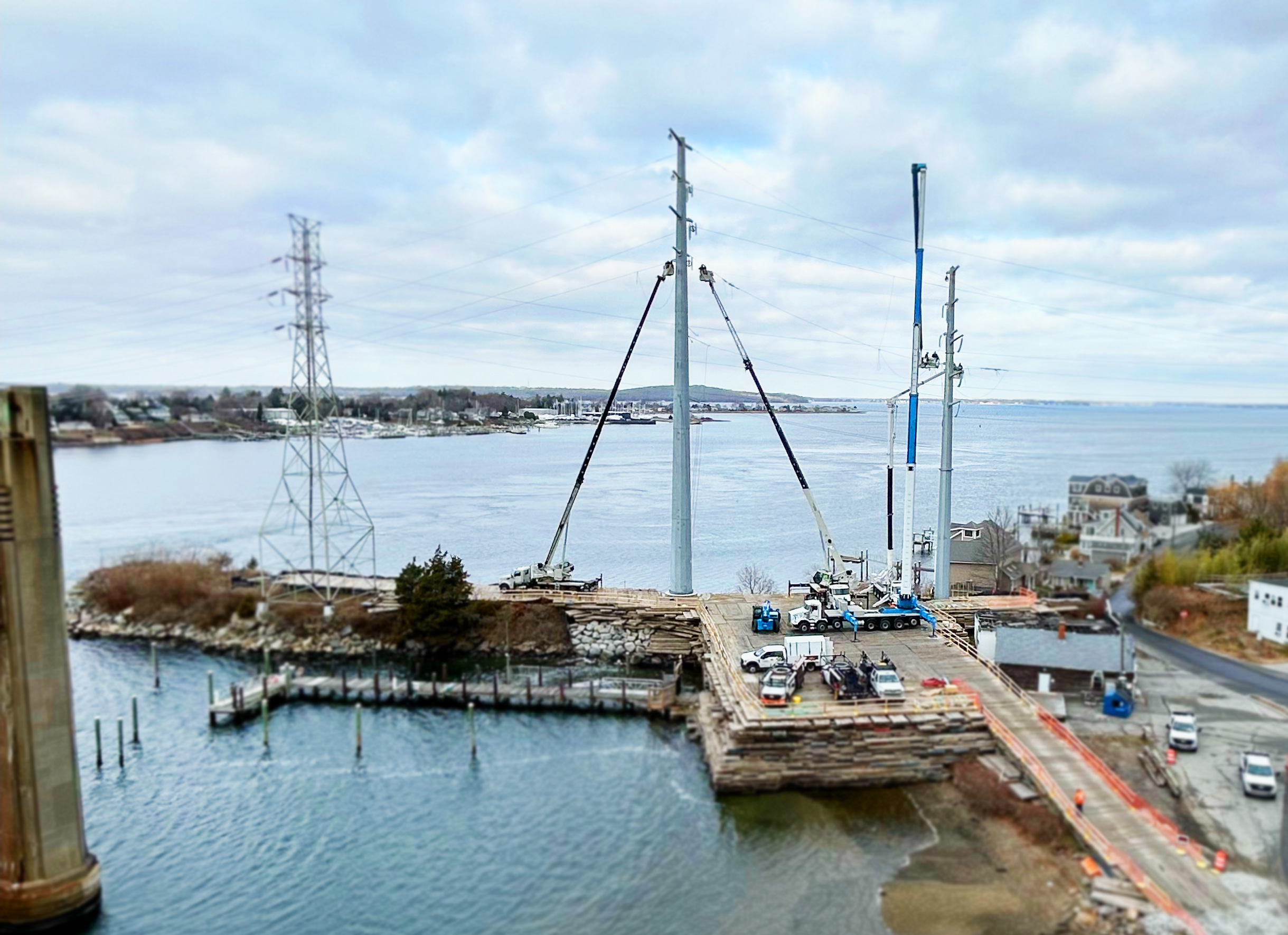
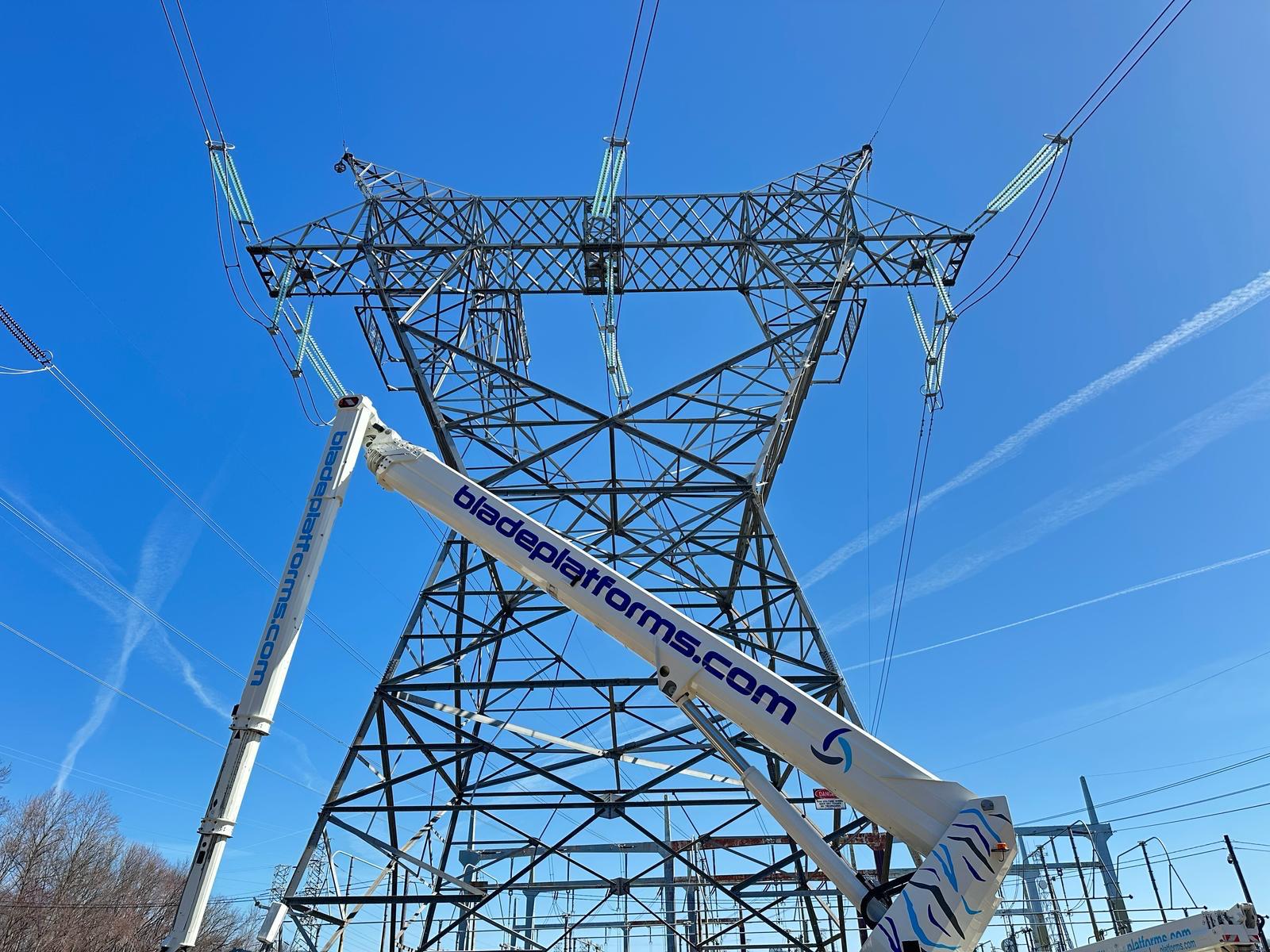
At Blade Platforms, we provide engineered, professional-grade high-reach aerial work platforms (AWPs), also known as mobile elevating work platforms (MEWPs), that deliver faster setup, smarter controls, and fewer delays without ever compromising safety.
Beyond Purchase Price
Utility fleets operate in demanding conditions year-round. Equipment must perform in substations, along rights-of-way, and during emergency restoration efforts.
Lifecycle cost includes:
- Maintenance frequency
• Component longevity
• Downtime impact
• Operator efficiency
• Training requirements
• Residual asset value
An access platform that reduces setup time and increases precision can meaningfully improve crew productivity. Over time, those efficiency gains compound.
Downtime Is Expensive
In utility operations, downtime carries measurable consequences. Delays in substation work, transmission maintenance, or restoration activities can impact reliability metrics and operational targets.
Equipment that introduces unnecessary setup delays or operational inefficiencies increases indirect costs. Conversely, engineered systems that streamline deployment reduce friction across the entire workflow.
Blade Platforms are designed to minimize avoidable delays. Faster setup and smarter controls allow crews to complete tasks more efficiently while maintaining strict safety standards.
Engineering as a Cost-Control Strategy
Durability and structural integrity are not abstract benefits. They are financial safeguards.
Professional-grade engineering reduces the likelihood of premature wear, structural fatigue, or performance degradation over time. When equipment is built specifically for high-reach utility applications, it is better aligned with real-world operational demands.
At Blade Platforms, engineering is the foundation of our design philosophy. Our high-reach platforms are built to perform consistently across years of service in utility environments.
Evaluating Long-Term Fleet Strategy
Forward-thinking fleet managers evaluate equipment not only for today’s project, but for sustained performance across future modernization efforts.
When access equipment delivers:
- Faster deployment
• Improved precision
• Reduced operational delays
• Consistent structural performance
It becomes a strategic asset rather than a short-term tool.
Total cost of elevation is measured over years of deployment, not days of procurement. Utilities that prioritize lifecycle value position themselves for stronger operational outcomes.
Media Contact:
Petr Bartusek
Commercial Vice President
(855) BLADE-US
info@bladeplatforms.com
https://www.bladeplatforms.com/